
A Martin Luther King Jr. Birthday Spotlight
Last year, we highlighted Dr. Martin Luther King Jr. as a dandy man—sharp, intentional, and so deliberately styled that you might miss the statement if you blinked. But few ever did. His tailoring was disciplined, his presentation immaculate, and his fashion spoke before he uttered a word. While Dr. King was known for his calm temperament, he was never neutral. Every appearance was a statement.
Within the Black community, fashion has always been political. It has functioned as armor, resistance, and joy. From militant uniforms to message-driven T-shirts, Black people have consistently used clothing to communicate power, pride, and protest—especially when words were insufficient, or when speaking carried risk.
In honor of Dr. King’s birthday, Black Fashion Week examines the most influential protest fashion across the decades—beginning in the 1960s, when style and civil rights became inseparable—and tracing how each generation has weaponized fashion in the ongoing fight against oppression.
The 1960s: The Black Panther Party and Revolutionary Style
The Swinging ’60s were defined by fashion, freedom, and cultural upheaval. Flouncy skirts, go-go boots, and Afrocentric prints visually captured the decade’s creative optimism. Yet beneath the playful silhouettes lay intense political unrest—marked by the Vietnam War, the assassinations of Dr. King and Malcolm X, and the rise of militant resistance movements. For many, fashion became part of the battle cry.
No group embodied intentional political style more than the Black Panther Party.
Radical yet regal, the Panthers rejected European beauty standards and embraced unapologetic Blackness. Black berets framed natural afros. Black turtlenecks were tucked into tailored leather jackets. Every garment was deliberate—chosen to project discipline, unity, and community power. Their uniform was not about trend; it was about resistance. Every all-black ensemble told a story of defiance against systemic injustice and a demand to be seen on their own terms.
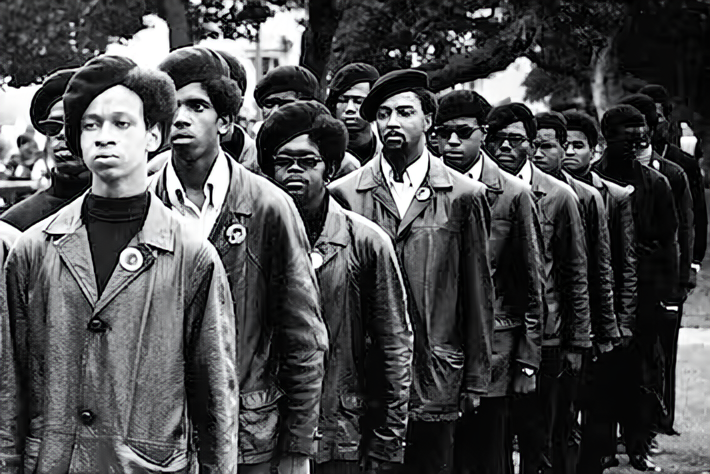
Panthers line up at a Free Huey rally in DeFremery Park, Oakland, July 28, 1968. Courtesy of Steven Kasher Gallery)
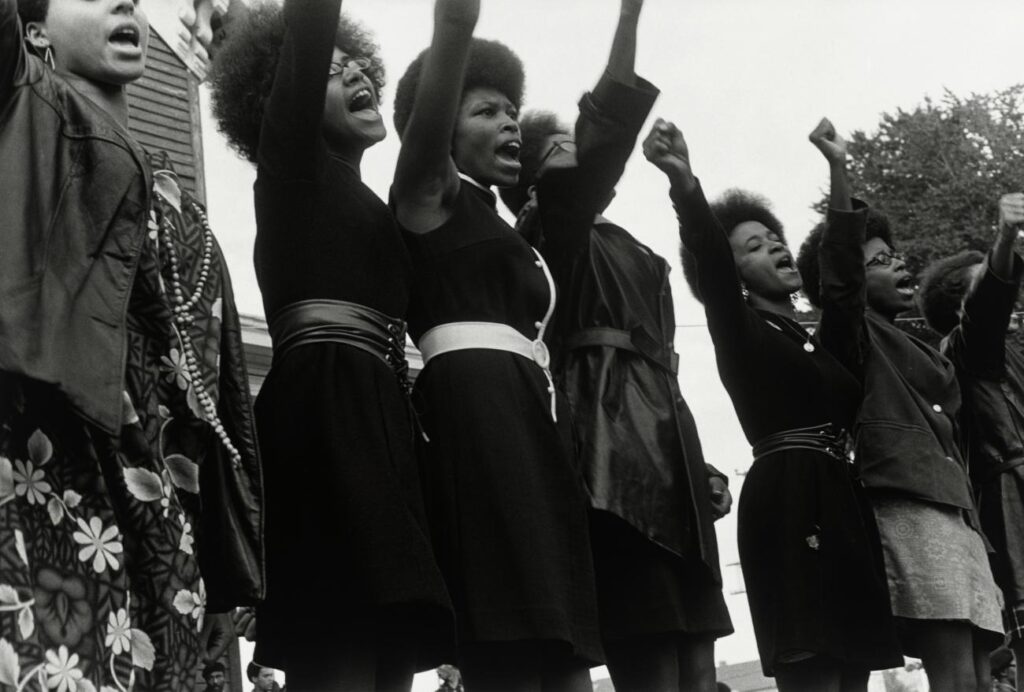
Black Panthers from Sacramento, Free Huey Rally, Bobby Hutton Memorial Park, Oakland, CA, No. 62, August 25, 1968. Photograph by Pirkle Jones.
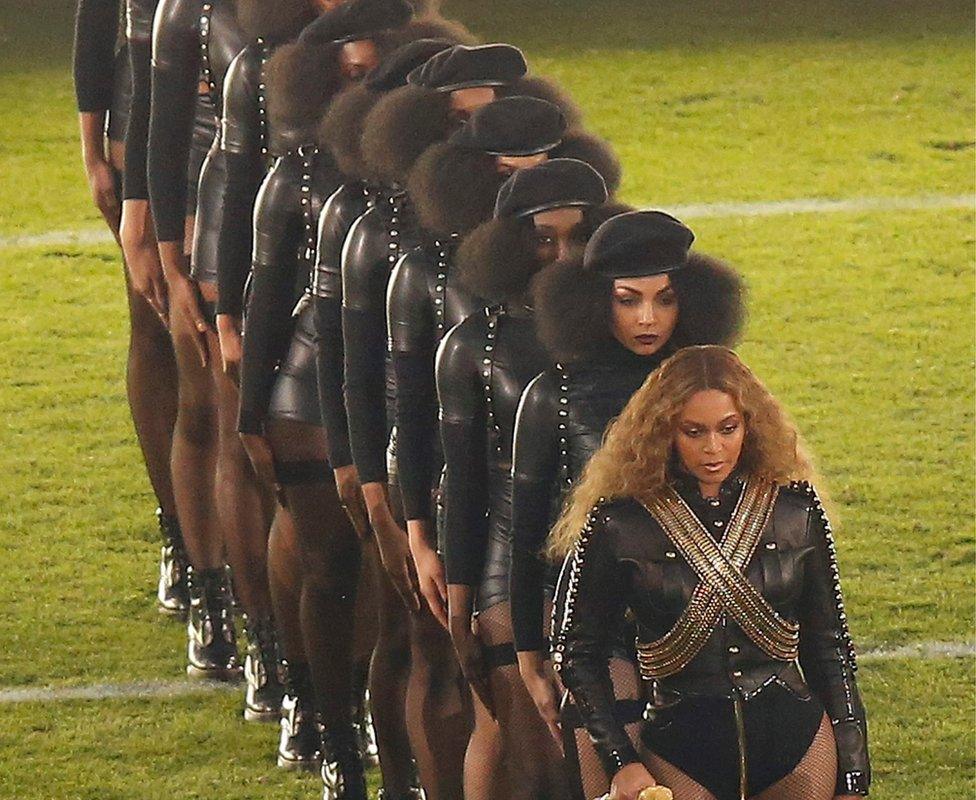
Beyonce at Super Bowl 50 in 2016
The 1970s: Black and Proud
“Love, peace, and soul.” Don Cornelius’ iconic words captured not only the spirit of Soul Train but the ethos of the 1970s. If the 1960s ignited cultural revolution, the 1970s marked a shift into self-definition. Rooted in the Black Power Movement and the philosophy of “Black Is Beautiful,” this era allowed Black Americans to step fully into cultural and fashion authority.
Disco emerged as a new musical language—and with it, a new fashion code that defied previous rules. Afro Sheen, bell-bottoms, platform shoes, dashikis, and head-to-toe Black-on-Black looks reflected pride, confidence, and joy forged through resistance.
Fashion became bold, expressive, and unapologetically funky. Artists like Diana Ross, Donna Summer, and James Brown led the charge, influencing global style. Platform boots symbolized elevation—room to step forward, not back. Black fashion was no longer asking for permission. It was declaring arrival.
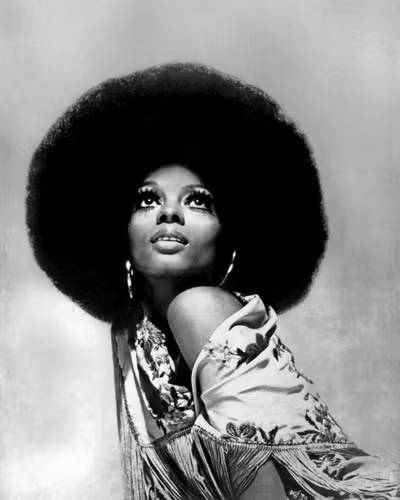
Diana Ross 1975 via Harry Langdon per Essence
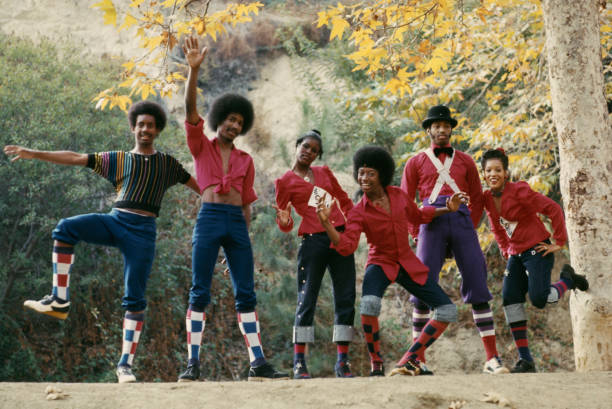
Right On Magazine Oct 1973 via Michael Ochs Archives per Facebook
The 1980s–1990s: Taking It to the Streets
As disco faded, turntables took center stage. Hip Hop emerged as both sound and protest—born from exclusion, amplified by creativity, and fueled by truth. It was loud, unapologetic, and impossible to ignore.
Fashion mirrored that energy. Chunky gold chains, graffiti tees, Adidas tracksuits, and custom designs became visual markers of neighborhood identity. Harlem designer Dapper Dan redefined luxury by remixing high fashion through a streetwear lens, laying the foundation for an entirely new fashion economy.
By the 1990s, streetwear put the “hip” in Hip Hop. Baggy jeans, oversized jerseys, and logo-driven fits dominated, while women blended femininity with masculine silhouettes—drawing inspiration from TLC, Xscape, and the era’s television icons. What was once dismissed as “urban” style broke through racial and class barriers and landed on global runways.
Brands like FUBU, Mecca, and Tommy Hilfiger shaped the era. Hip Hop succeeded in its mission—rewriting fashion rules one seam at a time. The urban stitch has yet to be broken.
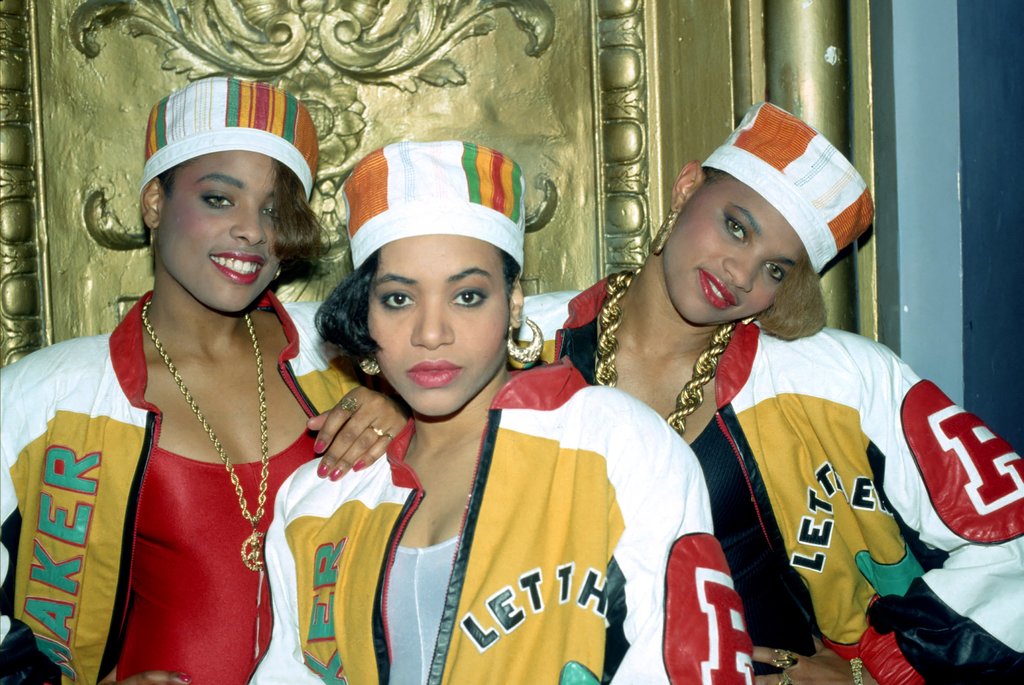
Salt n Peppa 1988 in Dapper Dan via Michael Ochs Archive per NY Times
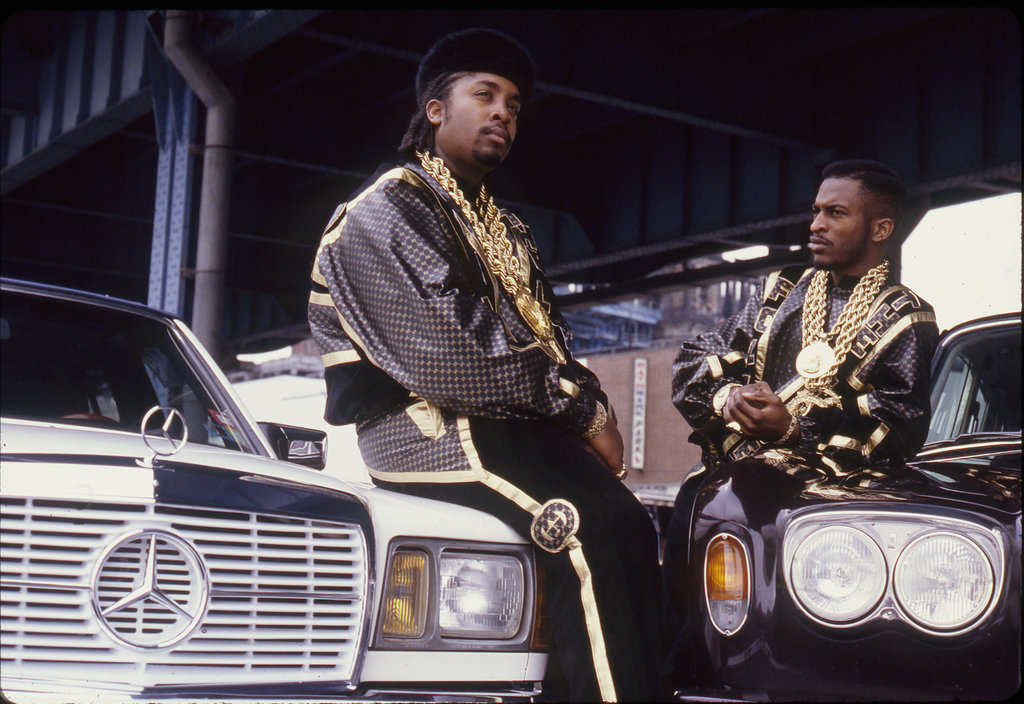
Eric B and Rakim 1988 via Drew Carolan per NY Times
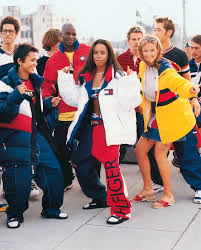
Aaliyah for Tommy Hilfiger Next Gen of Jeans 1997 per Instagram
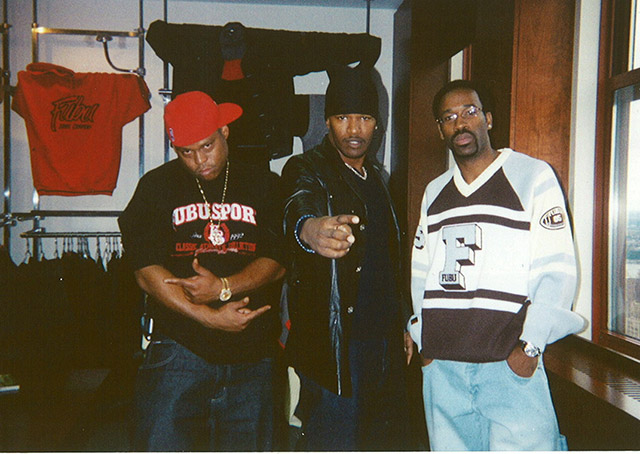
Jamie Foxx in Fubu per Tucmag
The Early 2000s: Taking Back the Streets
The new millennium ushered in a brand-driven era—and Black-owned brands led the charge. Low-rise jeans, velour tracksuits, and red-carpet glamour dominated pop culture as Black creatives stopped waiting for access and began building empires.
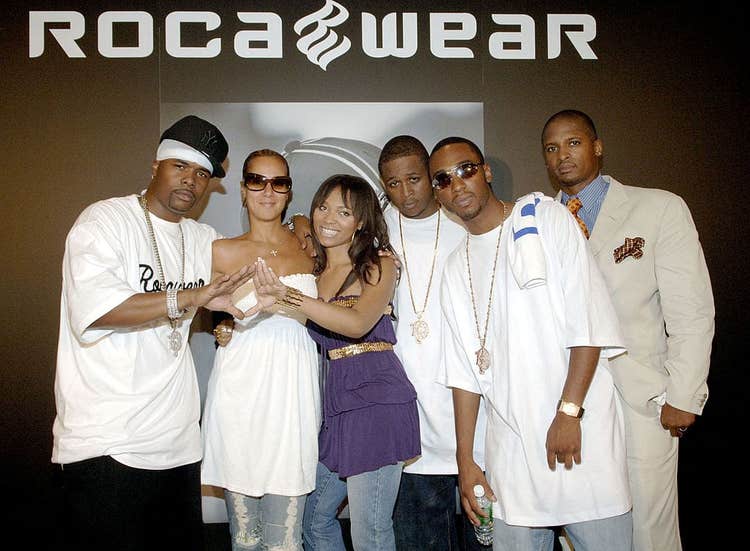
From Rocawear and Sean John to Baby Phat, Apple Bottoms, Mecca, and FUBU, these brands did more than sell clothes—they reclaimed ownership. They centered Black consumers, disrupted gatekept systems, and made fashion aspirational yet familiar. These garments were cultural statements, stitched directly into the industry’s fabric.
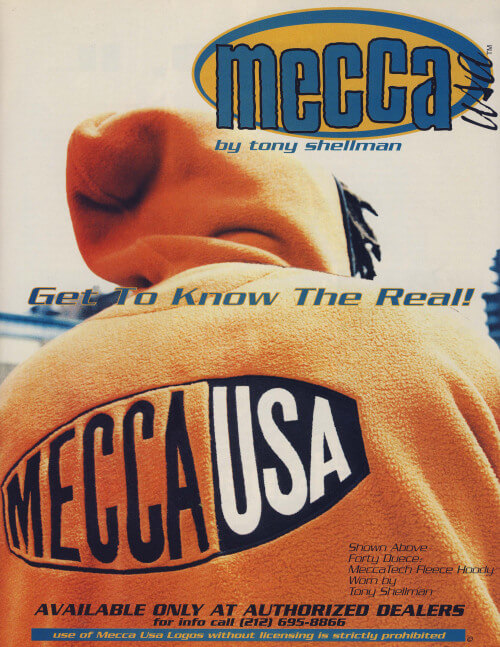
Mecca Ad via Title Mag

Nysnc in FUBU early 2000s
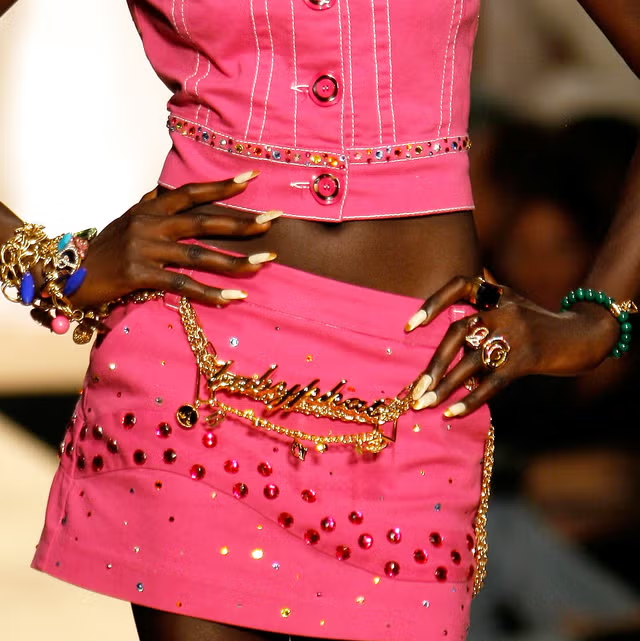
Kimmora Lee Simmon’s Baby Phat on the Runway via Carlo Buscemi per Elle
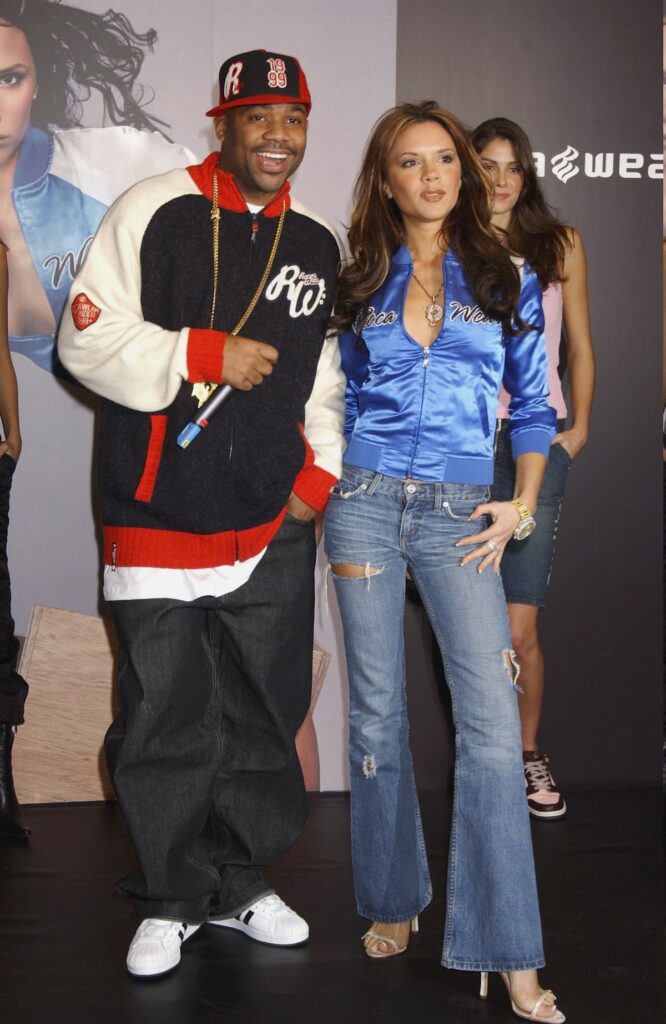
Kimmora Lee Simmon’s Baby Phat on the Runway via Carlo Buscemi per Elle
2010s–2026: Say Their Names
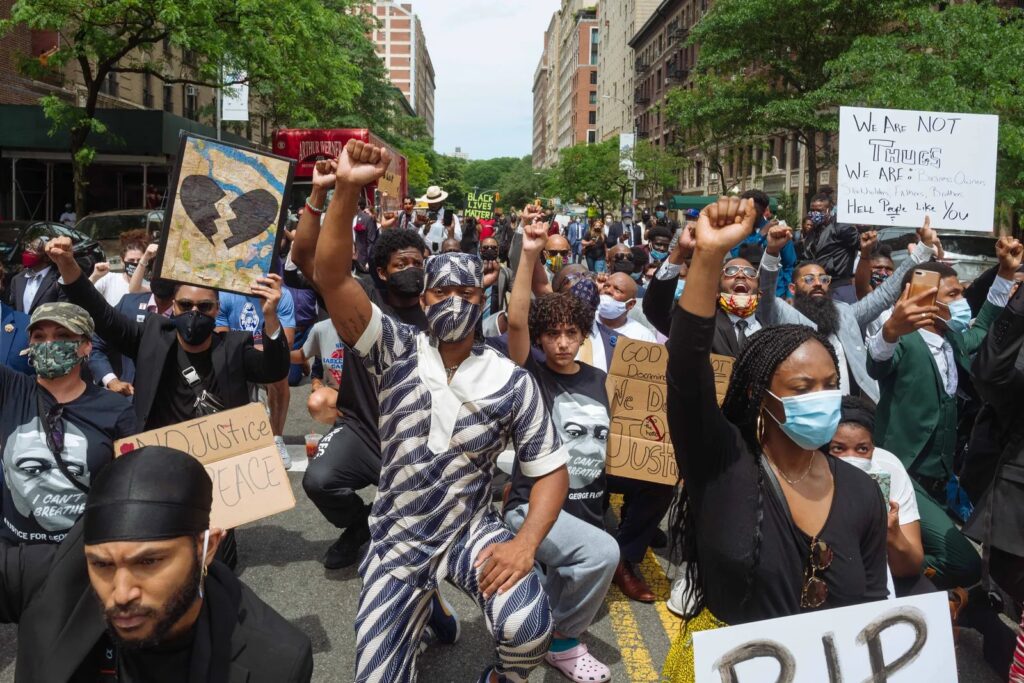
In the 2010s, fashion spoke plainly—and loudly. After the murder of Trayvon Martin in 2012, hoodies became symbols of solidarity. In 2014 and 2015, T-shirts bearing “Hands Up, Don’t Shoot” filled protest crowds following the death of Michael Brown. In 2020, “I Can’t Breathe” became a global uniform after the murder of George Floyd.
The Black Lives Matter movement forced fashion to respond. Designers like Pyer Moss brought protest to the runway, confronting police brutality and systemic racism head-on. Fashion houses could no longer remain neutral. Representation, visibility, and accountability became unavoidable conversations.
Black people had always shaped fashion. The industry was finally being forced to catch up.
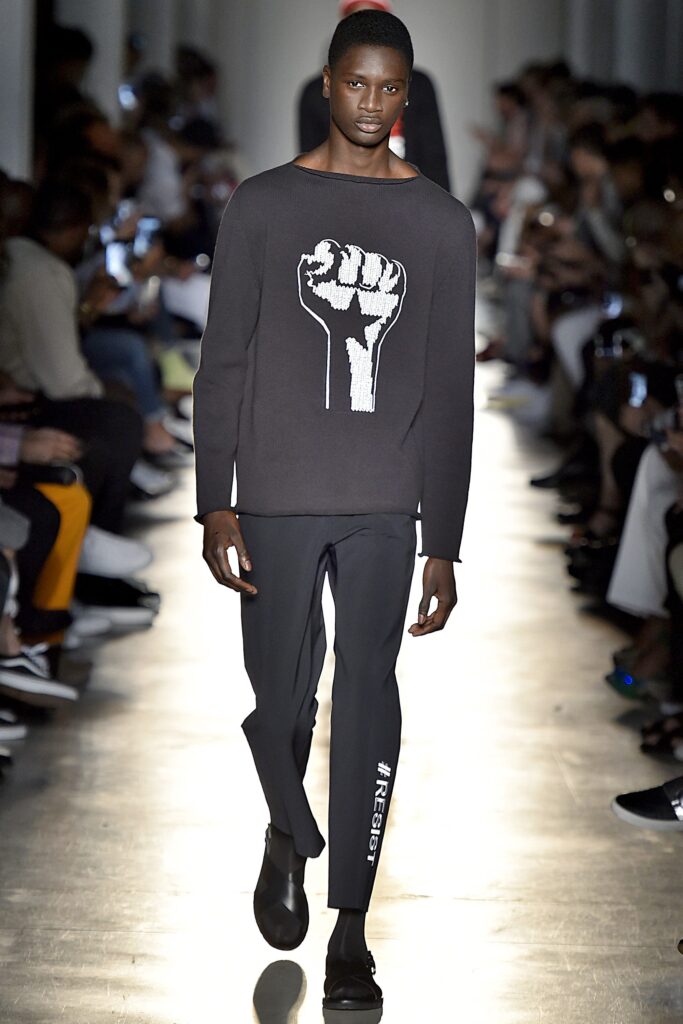
Ports 61 2017 per Refinery 29
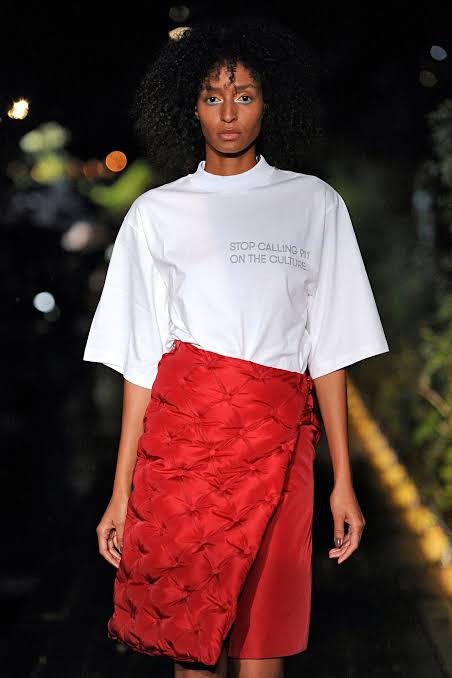
Pyer Moss Runway Spring 2016
Follow Black Fashion Week USA for exclusive designer features, runway coverage, and year-round Black fashion trends.